
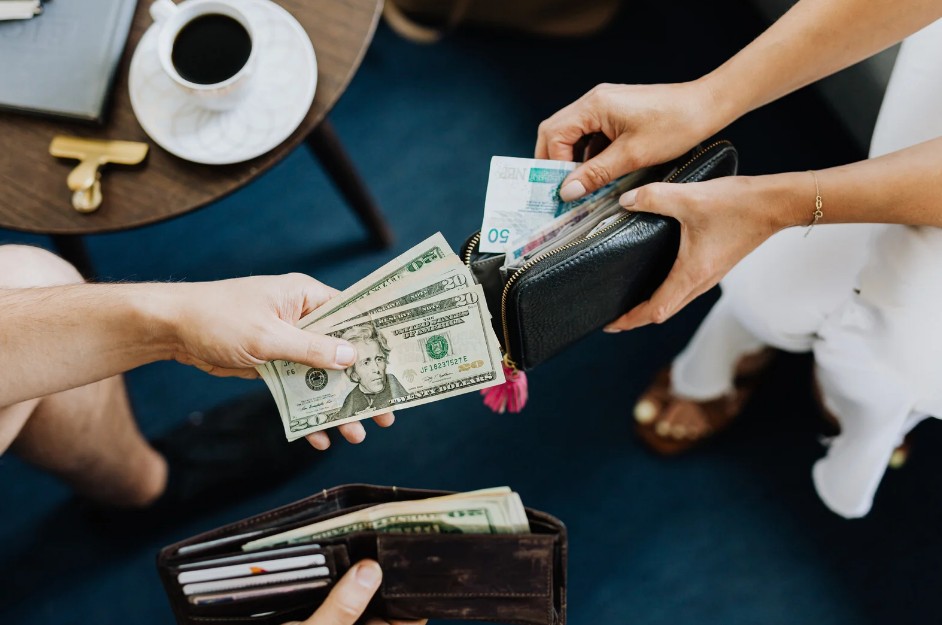
Criminals in many countries still rely heavily on cash. Whether someone is selling illegal drugs on the street, stealing valuables, running an online investment fraud scheme or evading taxes, cash offers anonymity. Unlike electronic transfers or checks, cash transactions leave almost no direct trail linking who made the operation with it. This anonymity lets criminals claim that large sums came from a “legitimate” source. It can be a small business’s daily sales or a supposed personal loan. However, every time those dirty bills enter a financial institution or business, there is a chance for detection. By understanding why criminals favor cash in money laundering and learning to identify common red flags, compliance teams can turn what seems like a perfect getaway into a glaring warning.
Why Criminals Favor Cash
Criminals appreciate cash because it offers near perfect privacy. Once paper bills change hands, reconstructing their journey is extremely difficult. Compared to wire transfers or credit card payments, which carry names, dates, and amounts, physical currency can be passed from person to person without creating digital records. This allows criminals to:
- Claim false origins: By reporting cash as “business revenue” or a “family loan,” criminals create an illusion of legitimacy.
- Evade detection: No bank or payment processor automatically logs the source of used banknotes.
- Facilitate peer-to-peer deals: Street drug sales, extortion payments, or bribes often happen in cash to avoid electronic evidence.
- Move money across borders: Cash hidden in luggage or false compartments is harder to trace than wire transafer, especially when crossing regions with weak customs inspections.
Because of these factors, cash remains a preferred tool for criminals seeking immediate, untraceable liquidity.
Disadvantages of Using Cash for Criminals
Of course, cash also has drawbacks. Large stacks of banknotes are heavy and difficult to move. Anyone carrying EUR 50 000 or more in small bills risks being noticed at checkpoints, airports or even by a vigilant security guard at a train station. Transporting and storing big piles of cash often requires special couriers, hidden compartments in vehicles, or secure “safehouses”. But all that raises costs and increases the chance of being caught.
On top of that, many shops, dealers and service providers refuse to accept very large cash payments because of forgery risks and the extra work involved in counting and securing bundles of banknotes. I remember working for a major European bank myself where EUR 200 and EUR 500 bills were not preffered and monitored with care.
Anti-money laundering rules in most countries require banks, currency exchanges and even certain businesses to report deposits or withdrawals above a certain limit, often EUR 10 000, so criminals must find ways to split those sums or spread them among different people. That of course delays moving the money into the financial system.
Even so, the hope of instant, untraceable liquidity often makes cash the first choice for criminals.
Unlike electronic transfers or checks, cash transactions leave almost no direct trail linking who made the operation with it.
Key Indicators of Illicit Cash Use
Because cash is so valuable to criminals, compliance officers and law enforcement focus closely on cash flows. By paying attention to when and how cash enters a bank or business, it is possible to sot the high risk situations. Below are the main warning signs that cash may be linked to crime:
- Amounts or denominations that don’t match a person’s background: A small retail shop that suddenly deposits EU 150 000 in one week, or a family business that uses only EUR 200 and EUR 500 bills, should raise questions. Also, if someone who works in a salary job shows up with large stacks of high-value notes, that is unlikely to fit their profile.
- Unexplained source or incomplete story: Legitimate businesses normally keep receipts, invoices, or contracts to prove where money came from. If a customer or company cannot produce any documentation, or gives a vague story like “I got this money from a friend” or “it’s from a cash inheritance” with no legal paper trail – that is suspicious!
- Frequent, small deposits below the reporting threshold: Look out for situations when a single person or group of people makes multiple cash deposits just under the threshold of EUR 10 000 – for example a 9 900. Moreover, when that happens at different branches or even over several days. It often means they are trying to avoid triggering mandatory reports. This structuring (sometimes called “smurfing”) is a classic laundering technique. Read more about this in Structuring in Money Laundering Explained: Techniques, Red Flags and Controls.
- Foreign currency or cross-border movements without clear need: Receiving large sums in U.S. dollars or other hard currencies when there is no apparent business or travel connection, or carrying cash across borders repeatedly without normal customs declarations, often indicates illicit activity.
- Sudden increases in cash turnover: A restaurant, car wash or small retailer that normally does very little business suddenly showing extremely high cash sales may be mixing illicit cash with real revenue. Especially if it happens outside a busy tourist season. Although, those are considered Cash-Invensive Businesses , here you should pay attention to a change of pattern.

If you see one or more of these indicators, the first step is to ask simple but direct questions –“Can you show me paperwork that explains why these bills are yours? How did you obtain so much cash so quickly?”
If the answers are vague or inconsistent , documents are missing or clearly forged, this is suspicious. Filing a suspicious activity report (SAR) with the national financial intelligence unit might be necessary. Even more important, compliance teams should train front-line staff like tellers, customer service reps (First-Line of Defence) to notice when a customer’s cash behavior does not match what you know about their business or personal profile.
In short, while cash remains attractive to criminals because it provides anonymity and liquidity, it also exposes them to detection. Big bundles of banknotes are heavy, must be stored somewhere, and often arrive in ways that do not fit a normal customer’s expected pattern. By understanding why criminals love cash and knowing which red flags to watch for, banks and businesses can turn these disadvantages into powerful tools for spotting and ultimately disrupting the criminal networks.
Learn how to identify and investigate suspicious cash transactions and other money laundering techniques. Enroll now to AML Course to strengthen your AML Compliance skills!



 Compliance Ninja
Leave a comment