-
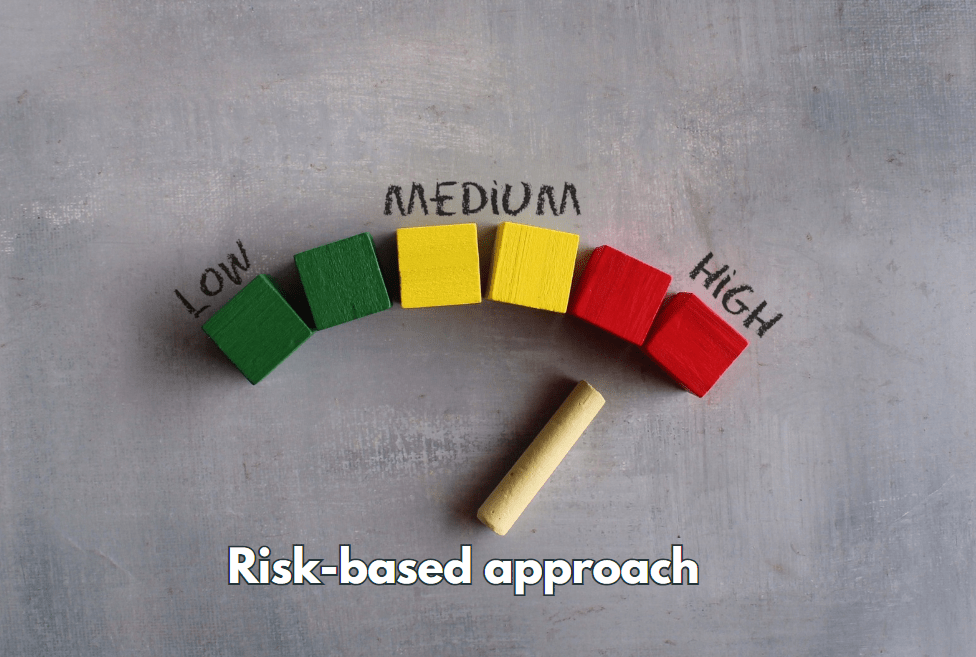
The Risk-Based Approach Is Not a Tool Setting
The risk-based approach is often explained as a classification exercise and it’s wrong.Low risk, Medium risk, and High risk. If high risk — apply EDD. That explanation is simple, and maybe wrong is too strong of a word, but definitely it is incomplete. In practice, RBA is not about labels. It is about how an…
-

Learn Basic Risk Factors in Practice with Free CDD Course
We’ve just released a new free course on Udemy called CDD Basic Risk Factors (KYB Edition). This course is built for people working in AML, compliance, onboarding, or risk who want to better understand Customer Due Diligence for corporate clients — not in theory, but as it is applied in real institutions. Content of this…
-

Micro-Structuring in AML: When Illicit Activity Hides in Plain Sight
Micro-structuring is an increasingly relevant AML typology that challenges how institutions detect suspicious activity. Unlike traditional structuring, it relies on low-value, high-frequency transactions that rarely trigger thresholds. For compliance teams, understanding micro-structuring in AML is essential to applying the risk-based approach effectively and identifying illicit behavior that hides in plain sight. But let’s see together…
-

The Compliance Officer’s Role and Personal Liability: Why Accountability Matters More Than Ever
In today’s regulatory environment, the role of a Compliance Officer is not only operational — it is personal. Compliance professionals help protect financial institutions from money laundering, terrorist financing, sanctions breaches, and regulatory failures. But with this responsibility comes increasing scrutiny and, in some jurisdictions, personal liability when failures occur, especially when red flags are…
-

Hosted vs Unhosted Wallets: The Crypto AML Dilemma You Can’t Ignore
As digital assets become increasingly mainstream, one question keeps everyone up at night: how do you treat transfers between hosted and unhosted wallets when regulatory guidance is…? Well, you know exactly how it is. Both wallet types are legitimate — yet they carry very different risk profiles and visibility. In the world of AML/CFT, the…
-
Subscribe
Subscribed
Already have a WordPress.com account? Log in now.
 Compliance Ninja