
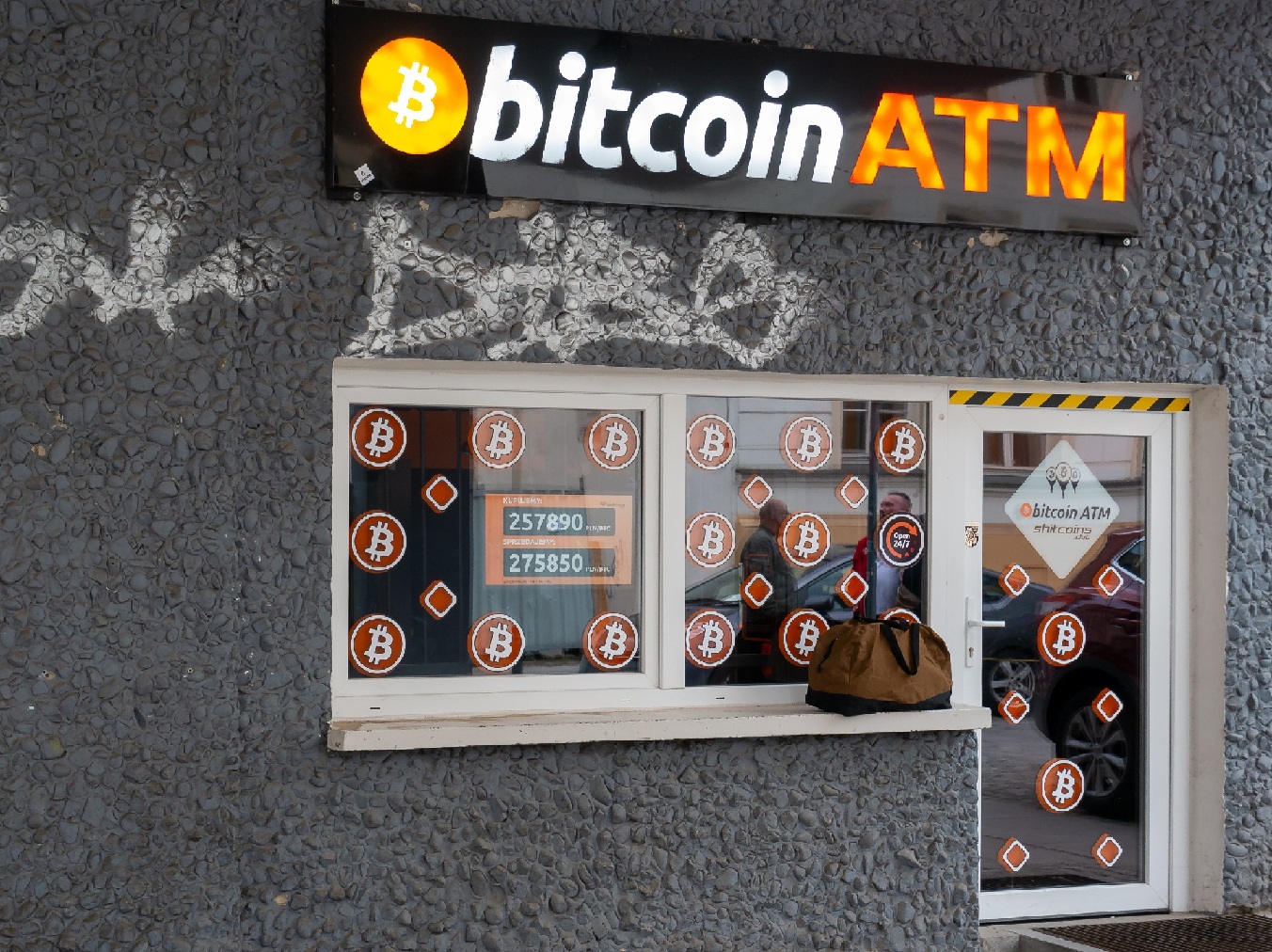
Crypto ATMs, also known as Bitcoin ATMs or kiosks, are becoming common in many cities around the world. They look and feel like traditional ATMs, but allow people to buy or sell cryptocurrencies with cash or bank cards.
For beginners, they are attractive because the process feels simple: scan a QR code, insert cash, and receive crypto. This direct and familiar approach removes the need to register on online exchanges or understand complicated trading screens. Crypto ATMs are often located in busy areas such as shopping malls or convenience stores, making them accessible to people who want to try crypto without much preparation.
The Compliance Challenges Behind the Convenience of Bitcoin ATMs
While crypto ATMs may look safe and user-friendly, they come with significant compliance risks that regulators and financial institutions pay close attention to.
Cash transactions and anonymity
Cash remains one of the highest risk payment methods for money laundering. If not properly monitored, crypto ATMs could be abused to move illicit funds into or out of the crypto ecosystem. Many jurisdictions therefore require identity checks even for relatively small transactions.
Structuring and evasion of reporting thresholds
Criminals may attempt to break down large amounts of cash into multiple smaller transactions to avoid reporting requirements. This practice—known as “structuring” or “smurfing”—is a key red flag in AML compliance. Crypto ATMs, if not equipped with limits and monitoring, can be an easy tool for such abuse.
Fraud and scam risks
Scams often involve directing victims to deposit cash into a crypto ATM while scanning a QR code controlled by the fraudster. That makes crypto ATMs attractive to criminals laundering fraud proceeds. Compliance teams should look for unusual patterns, such as multiple people sending funds to the same wallet address.
Lack of transparency without proper oversight
If operators do not provide receipts, clear warnings, or robust ID checks, transactions may become hard to trace. Regulators such as FinCEN, FINTRAC, and FATF highlight that operators are obliged to collect customer information, keep records, and file Suspicious Activity Reports (SARs) when needed.
International compliance gaps
Rules differ across countries. Some jurisdictions ban unregistered crypto ATMs, while others still allow them under strict licensing. Criminals may look for weaker jurisdictions to exploit, which increases pressure on compliance professionals to stay current with both local and global AML standards.
“Cryptocurrency and crypto ATMs are attractive avenues for criminals looking to launder money, as they are widely accessible and make near-instant and irreversible transfers.”
– Brendan Thomas, CEO of AUSTRAC
Compliance Lessons for Professionals
Crypto ATMs show why compliance is not just a back-office function. It is central to keeping the financial system safe. Regulators expect operators to:
- Register or license as virtual asset service providers.
- Perform KYC and enhanced due diligence for larger or higher-risk transactions.
- Monitor for structuring, repeated use of the same wallet, and other suspicious patterns.
- Keep transaction records for several years and make them available to authorities.
- Display clear warnings about scams and provide receipts for audit and tax purposes.

Conclusion: Balance Access and Risk
Crypto ATMs make it easy for people to step into the digital asset world, but their convenience also brings serious compliance risks. Without proper controls, they can become tools for laundering, fraud, or untraceable transfers. For regulators and compliance professionals, the challenge is to balance accessibility with robust safeguards that protect the financial system.
Check out our Anti-Money Laundering Introduction course. You can find more information there about structuring, smurfing, AML/CFT, compliance, KYC, transaction monitoring, and more.

Leave a Reply