
Casinos handle huge amounts of cash flow and run special high-roller programs with chips and loyalty points – all of which can be used to wash dirty money. Unfortunately, many casinos still treat compliance as a low priority: staff often don’t perform strong KYC or Source of Funds/Source of Wealth checks. Their monitoring tools can’t really keep up with clever Money Laundering tricks as well. Let’s look at the main AML risks in casinos and share best practices for both land-based and online ones.
Culture and Controls Gaps
A big problem in Compliance in casinos is how weak their controls can be. Staff usually isn’t given the power or training to question VIP clients or big spenders. Without quick checks on where money comes from, even people betting millions can go unchecked. Most compliance work happens behind the scenes, with suspicious-activity reports filed only after play is over, instead of giving frontline staff tools to spot odd behavior as it happens. That gap lets some customers use the casino’s reputation and trust to move large sums of money without raising alarms.
Classic Red-Flag Patterns
Below are the Top 10 AML Red Flags that compliance teams should monitor closely in casino operations:
- Structuring via multiple small chip purchases across different tables to stay below reporting thresholds.
- Large buy-ins with minimal play followed by rapid cash-out.
- Repeated marker cancellations and reissuances used to layer illegal money.
- “Bill-stuffing” into slot machines which is inputting many small denomination bills with little or no play, then redemption.
- Hedging bets on both sides of even-money wagers (e.g., red/black) to disguise laundering.
- Issuing casino checks payable to third parties or without a specified payee.
- Converting loyalty points, vouchers, or digital tokens into cash off books.
- Front money account abuse, such as large cash deposits followed by chip buys and check redemptions.
- Dormant high-value accounts that suddenly withdraw or transfer large sums.
- Cross-border junket credit schemes, where credit is issued in one jurisdiction and redeemed elsewhere to obscure fund origins.
Proprietary Instruments and Loyalty-Point Schemes
Beyond chips and cash, casinos issue proprietary instruments like points, vouchers, or digital tokens that carry real value. In an internal audit, a junket family exploited a VIP loyalty program by converting millions of points into cash vouchers, then selling them off‐book to undisclosed third parties. Because these conversions weren’t treated as currency transactions, they bypassed Currency Transaction Report or CTR thresholds entirely. This case shows the need to treat all proprietary value tokens as potential laundering vectors and to develop alerts for unusual point‐redemption patterns.
“Integrating real-time AML checks into every transaction – from VIP tables to mobile bets – is essential for casinos and online betting sites to stay ahead of sophisticated money-laundering schemes”
AML in Online and Mobile Gambling
The shift to online and mobile gambling poses significant AML challenges and makes it even harder to not participate in money laundering. When players sign up remotely, casinos have to watch out for fake identities, forged documents, and people hiding their true location with VPNs. Especially in the times of AI deep-fakes. With far more bets happening at much higher speeds, old rule-based detection systems get overwhelmed. Adding e-wallets, cryptocurrencies, and peer-to-peer betting creates hidden payment paths that make it tough to trace where money really comes from. Automated bots can then place rapid, fake bets that slip past controls designed for human gamblers. On top of all that, casinos must juggle a mix of often conflicting anti-money-laundering rules, from FATF guidelines thru FinCEN regulation to fair-gaming practices.

Enforcement Snapshot and Illustrative Case
Regulators have slapped casinos with big fines to enforce anti–money laundering rules. In 2015, Tinian Dynasty Hotel & Casino paid $75 million simply because it had no AML program at all: no AML officer, no policies, no independent testing, and thousands of unfiled currency transactions. Caesars Palace and Sparks Nugget also faced multi-million-dollar penalties for letting anonymous play and structured bets slip through the cracks.
In 2019, an inquiry at Crown Melbourne in Australia revealed serious issues – huge cash drops in VIP junket rooms, shell companies set up to dodge capital controls. Almost 700 small deposits from the same clients designed to stay below reporting thresholds. One especially telling example came from a VIP loyalty-point scheme. During an audit, the casino discovered a junket operator turning massive point balances into cash vouchers and selling them off the books. This effectively bypassed every currency transaction reporting and suspicious activity reporting triggers. This case shows why AML checks must quickly adapt whenever new ways to store or move value appear.
Regulatory Landscape and Best Practices
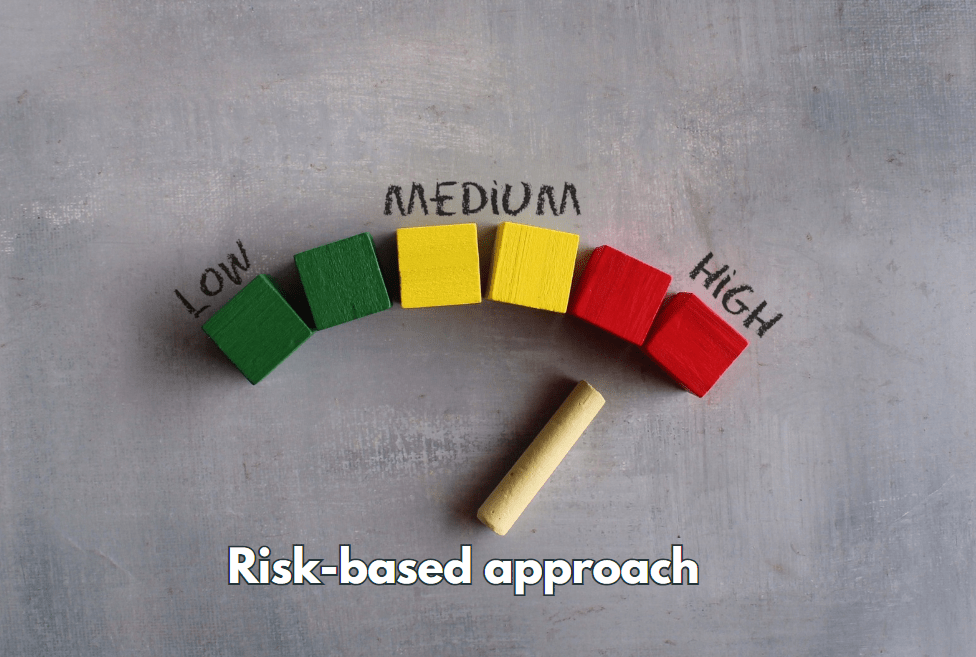
Adopting a risk‐based approach remains crucial. During onboarding, frontline teams must conduct live SOF checks, especially for VIPs, although this is easier said than done, considering being business friendly for customers. and screen beneficial owners in real time. Transaction‐monitoring systems need casino‐specific rules that correlate chip buys, marker issuances, and loyalty redemptions. Online platforms should integrate adaptive analytics to detect e-wallet abuse, cryptocurrency layering, and bot‐driven wash betting. Finally, harmonizing FATF recommendations with FinCEN’s Corporate Transparency Act and PEP‐screening mandates ensures global consistency.
Effective AML depends on employee training and cross‐border intelligence. Casinos should track the percentage of dealers and cage staff who pass scenario‐based red‐flag drills and measure the average time from alert to escalation. On the data side, multinational operators must balance customer privacy laws with prompt sharing of SAR intelligence across jurisdictions. Structured channels and data‐protection agreements enable timely communication without violating regulations.
Conclusions
To stay ahead of increasingly sophisticated laundering schemes, casinos must elevate compliance culture from back‐office formality to front‐line priority. Should make anti–money laundering part of their everyday operations. That means targeting the riskiest areas like VIP customers, non-cash payment methods, and online channels. Building real-time source-of-funds and KYC checks into every bet might not be an easy task to do and might even be considered an overkill.
However, AML work should become a shield that helps casinos themselves and be more than just a ticking box. Regularly testing KYC processes, transaction alerts, and staff training will help casinos stay friendly to honest players while stopping anyone trying to use the system for crime. A bare minimum can make a huge difference in a fight against money laundering in casinos.
Sources:
https://www.nevadaappeal.com/news/2016/apr/06/ex-sparks-nugget-fined-1m-for-money-laundering-vio/
https://rccol.archive.royalcommission.vic.gov.au/volume-1/chapter-03





 Compliance Ninja
Leave a reply to chris Cancel reply